

Occupational Health and Safety


Goals and Performance Highlights
Goals


Performance in 2025



Challenges and Opportunities
Healthcare service operations require highly specialized professionals who must work under demanding conditions, including time constraints, workload pressures, and high expectations from service recipients.
Evolving workforce structures, rising expectations for quality of work life, and increasing competition in attracting and retaining talent represent key challenges in human resource management.
At the same time, enhancing employee capabilities, promoting well-being, and fostering a safe and equitable working environment present opportunities to strengthen employee engagement and elevate service quality.
Management Approach and Value Creation
Occupational Health and Safety
The Company manages the hospital environment in accordance with healthcare safety standards and relevant laws. A Safety, Health, and Environment Committee has been established to implement the Safety, Health, and Environment (SHE) management system. This system covers risk identification and assessment, the implementation of control measures, training, and regular monitoring to prevent workplace accidents and occupational illnesses. Workplace risks are regularly monitored and assessed, with committee meetings held at least 12 times per year, and results reported regularly to management to ensure that safety measures are effective and aligned with relevant regulations and international standards.
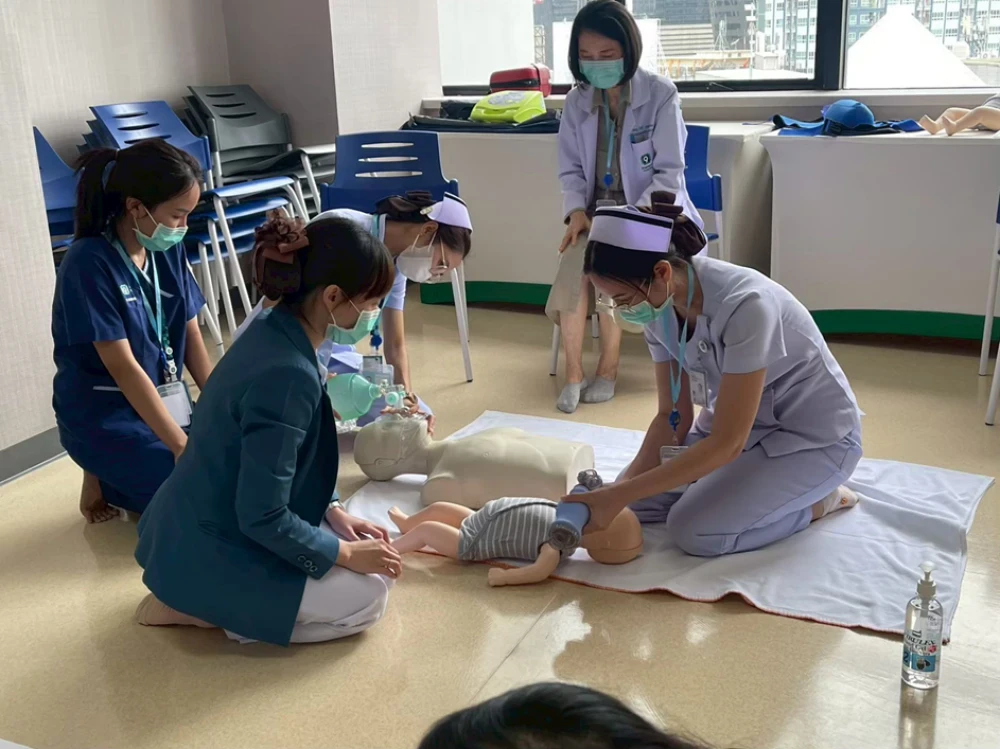
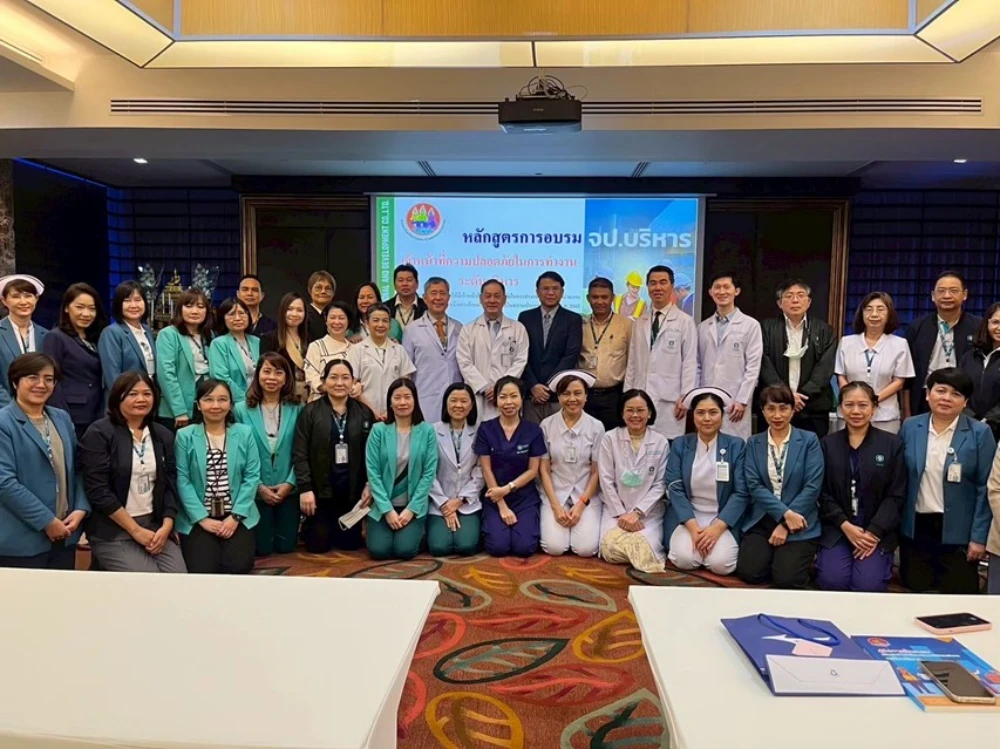
Knowledge Development: The Company has designated occupational health and safety training as a mandatory course for all personnel, starting from the employee orientation program. In 2025, 100 percent of the Company’s personnel, from executives to operational staff, completed this training. As a result, 100 percent of employees received safety training, representing a total of 9,864 training hours. The Company also implements systematic occupational health risk management programs, including:
The Company also implements systematic occupational health risk management programs, including:

Hearing Conservation Program (HCP)

Annual health check-ups for employees in high-risk groups

Provision of Personal Protective Equipment (PPE) according to the risk profile of each department, such as the Emergency Department and laboratories

Promotion of disease immunity through vaccination programs for emerging and seasonal diseases. In the past year, 99.88 percent of employees received influenza vaccinations.
The Company promotes safety in the working environment alongside comprehensive employee well-being
The Company aims to create a workplace that is safe, supportive of physical and mental health, and conducive to Workforce Sustainability through the following initiatives:
Ergonomics
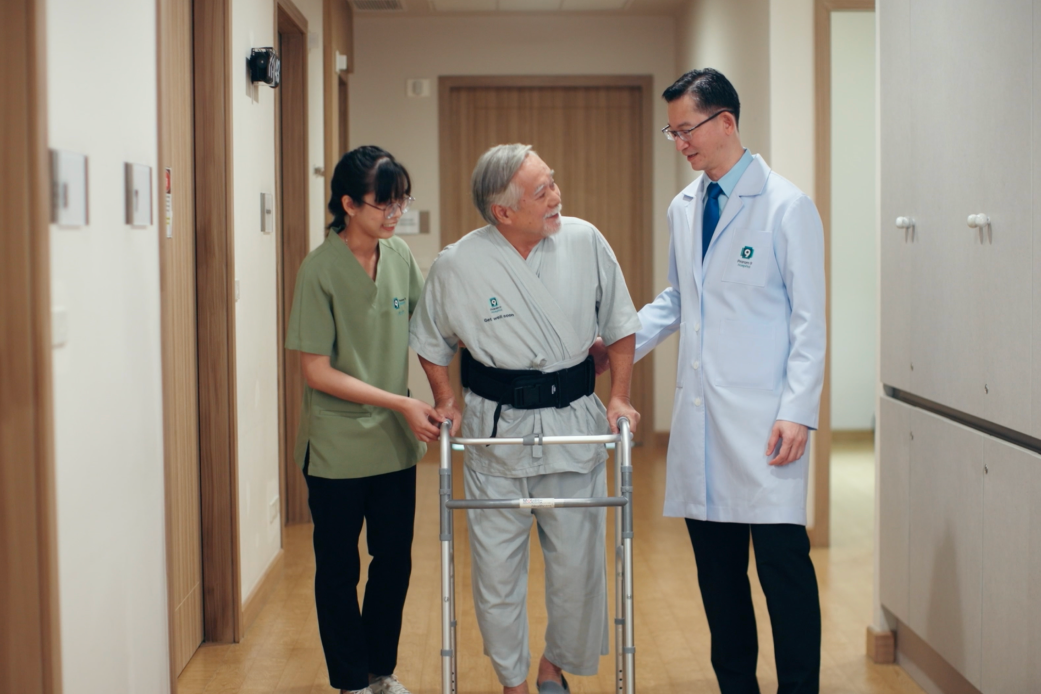
The Company places importance on designing workplaces and job tasks to align with employees’ physical ergonomics to reduce the risk of work-related injuries and prevent occupational illnesses in the long term. Measures include:

Promotion of Well-being and Preventive Health Behaviors
The Company continuously organizes health promotion activities to encourage employees to take care of their health and to support a sustainable organizational culture of well-being. Examples include:
Human Rights & Occupational Health Risk Assessment

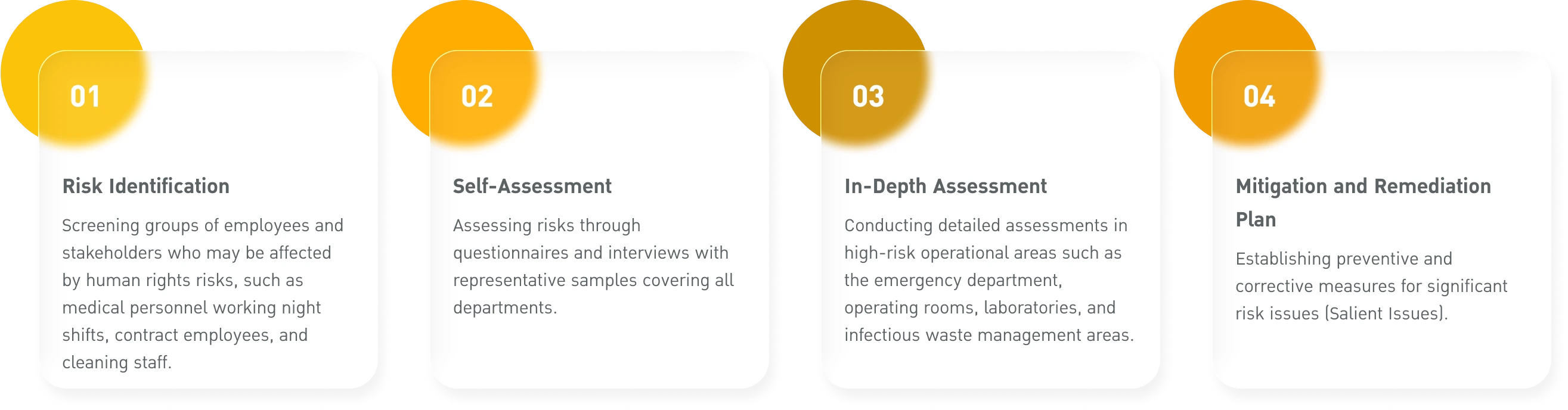
The Company conducts Human Rights Due Diligence (HRDD) in parallel with occupational health and safety risk assessments across all operational areas, in alignment with international standards under the United Nations Guiding Principles on Business and Human Rights (UN Guiding Principles on Business and Human Rights: UNGP). This process aims to identify, control, prevent, and mitigate risk factors that may affect the health, safety, and dignity of employees, customers, and surrounding communities.
Integrated Human Rights Risk Assessment
In 2025, the Company conducted an organization-wide human rights risk assessment covering both internal operations and the supply chain, following the four-step Human Rights Due Diligence (HRDD) process, which includes:
Training and Employee Development
The Company recognizes that human capital is a strategic factor for competitiveness and sustainable growth. The organization is committed to developing its workforce under the concept of a “Professional Healthcare Community” while fostering an organizational culture through the ESG DNA framework. This approach encourages employees at all levels to recognize their responsibilities in environmental, social, and governance dimensions, alongside the Company’s core value of Trust (Business Trust, People Trust, and Eco Trust). The Company has also established a strategic goal to develop employees into “People Coaches” who are capable of providing guidance and continuously unlocking the potential of their teams. This supports the organization’s transformation toward becoming a Smart Hospital.
Future Skills Development (Digital Literacy and AI Skills)
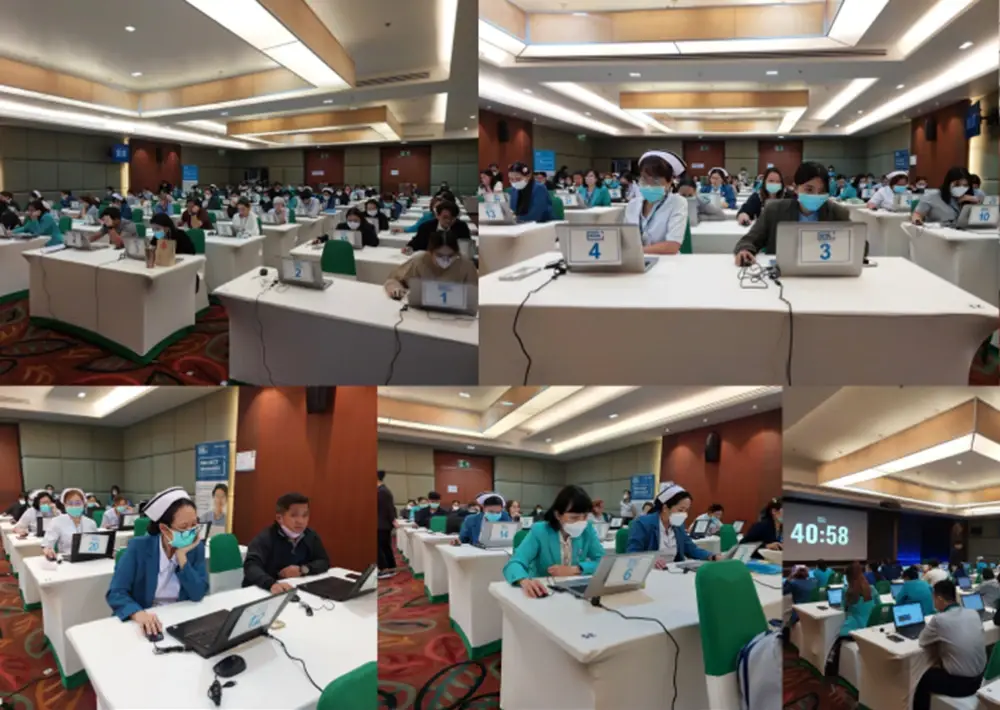
The Company encourages employees to learn and work with modern technologies, including the application of AI in work processes and the development of digital skills to support the 9 CARE Platform and telemedicine services. These initiatives enable employees to respond quickly and effectively to evolving medical technologies, strengthening organizational agility.
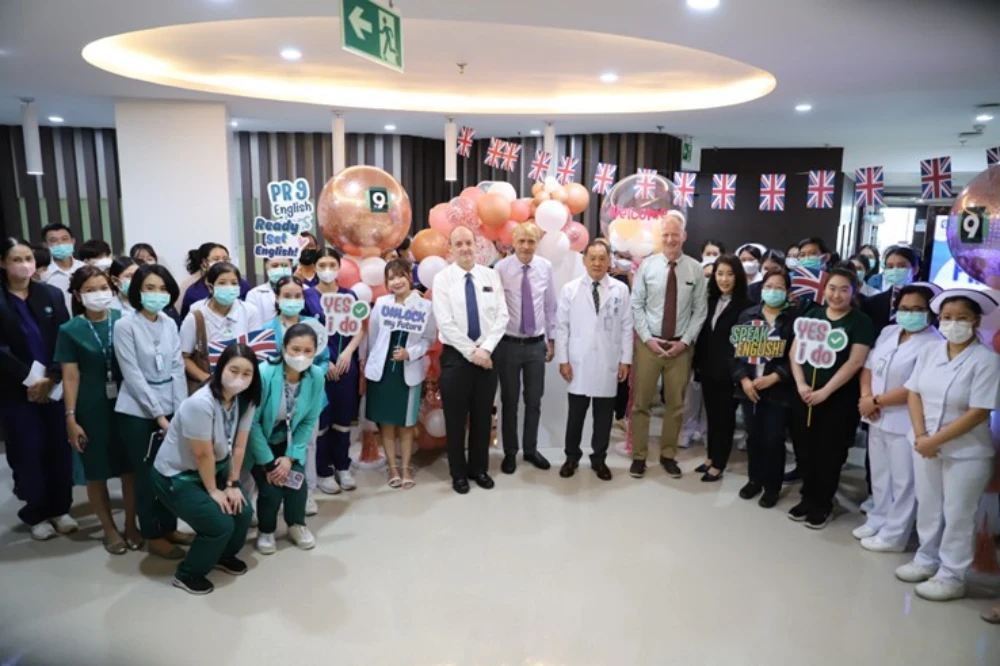
Professional and International Communication Training Center
Clinical Training
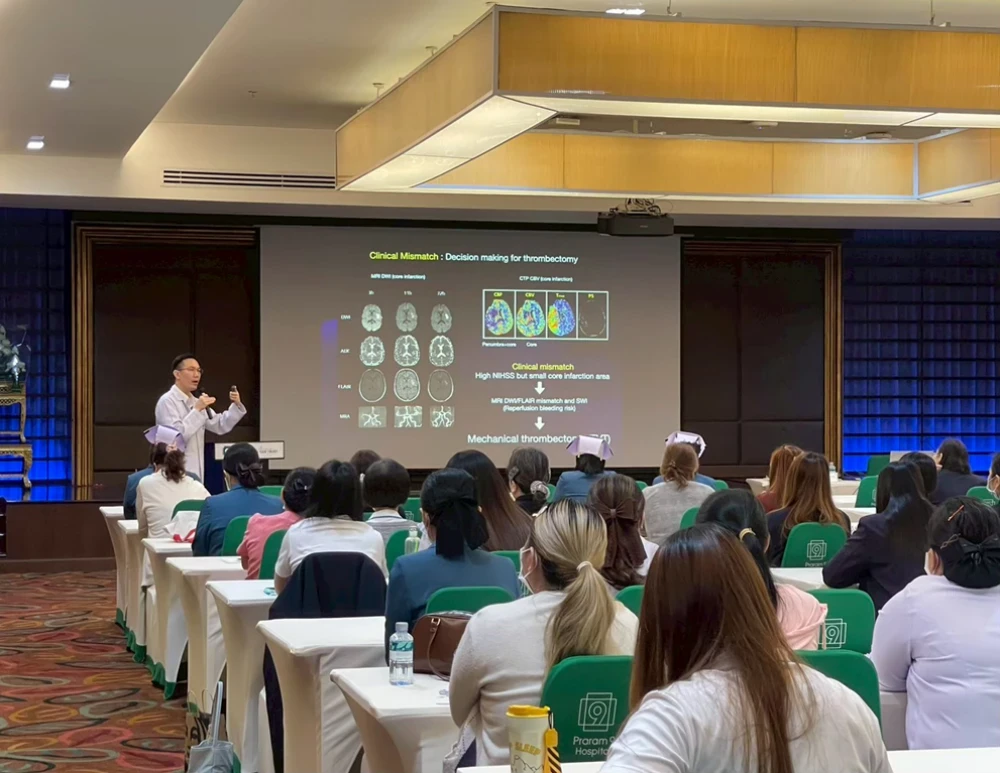
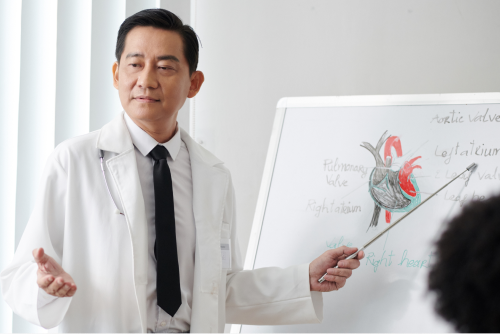
Clinical Training: Specialized professional training programs for physicians and nurses to maintain global standards and support the development of Centers of Excellence.

Medical Language Training
Clinical Training: Specialized professional training programs for physicians and nurses to maintain global standards and support the development of Centers of Excellence.
Stakeholders Directly Impacted

Employees

Customers