
Energy Conservation



Goals and Performance Highlights
Goals

- Achieve a reduction in total energy consumption of more than 0.5% compared to the previous year.
- Achieve a cumulative reduction in total energy consumption of more than 0.5% by 2028, compared to the 2022 baseline.

- Achieve a cumulative reduction in energy consumption per patient-day of more than 0.5% compared to the previous year.
- Achieve a cumulative reduction in energy consumption per patient-day of more than 0.5% by 2028, compared to the 2022 baseline.

- Achieve a reduction in energy consumption relative to total revenue of more than 0.5% compared to the previous year.
- Achieve a cumulative reduction in energy consumption relative to total revenue of more than 0.5% by 2028, compared to the 2022 baseline.
Performance in 2025



Challenges and Opportunities
The use of fossil fuels for electricity generation has caused significant environmental pollution, particularly air pollution.
At the same time, the Company’s energy demand continues to increase in line with economic growth. These factors may lead to potential energy shortages and affect the quality of life of people in society. To address these challenges, the Company focuses on renewable energy management and the development of clean technologies across its business value chain. These approaches serve as key tools for reducing greenhouse gas emissions and promoting efficient energy use. The initiatives are also aligned with the United Nations Sustainable Development Goals (SDGs), Goal 13: Climate Action. These actions reflect the Company’s commitment to balancing business growth with environmental responsibility in order to move toward a truly sustainable future.
Management Approach and Value Creation
The company has established an energy management policy as a framework to foster operational participation in energy conservation and apply management systems in accordance with Thailand's Energy Conservation Promotion Act B.E. 2535 (1992) and JCI Standard Edition 8 (Global Health Impact Chapter). Additionally, it systematically compiles environmental and energy databases throughout the business's value chain. In the past year, the company assessed energy consumption proportions, energy management status, analyzed energy conservation potential, defined measures, monitored and evaluated energy conservation results, and continuously presented these to the executive board to sustainably reduce risks and negative impacts on the environment and society.
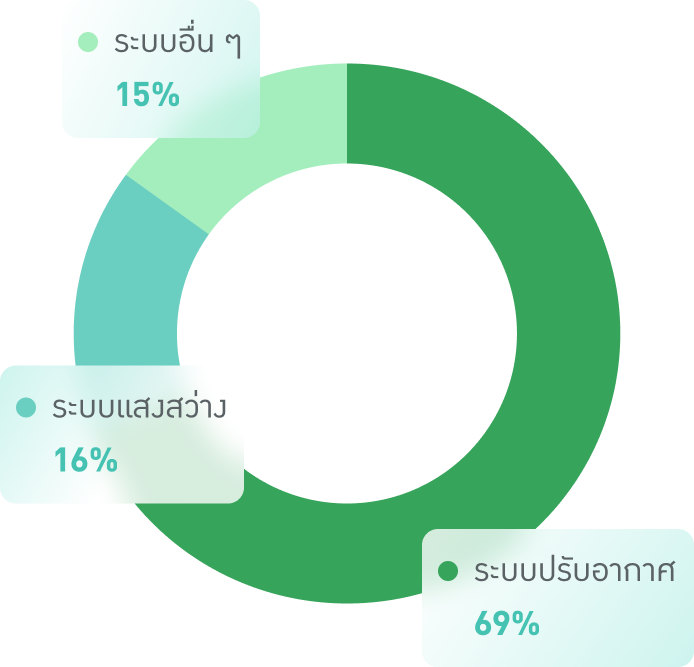
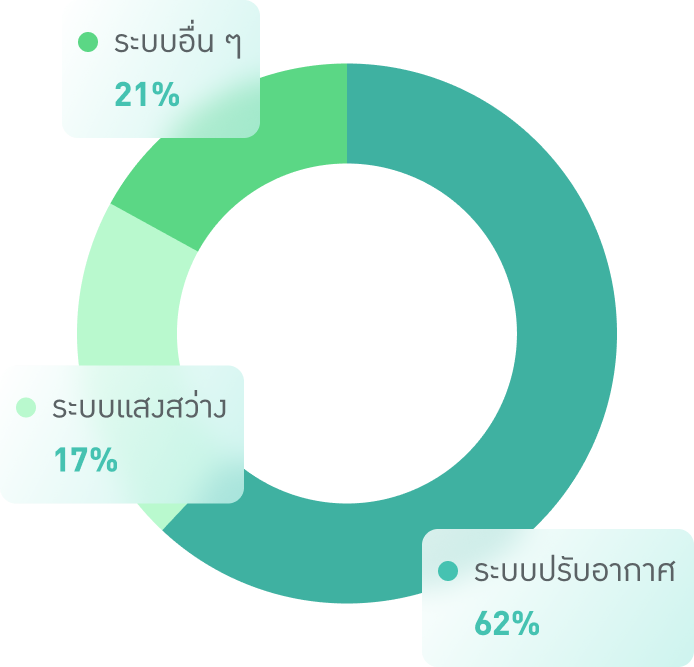
Assessment of Energy Consumption Distribution

Electricity Consumption in Building A
Electricity Consumption in Building B
Energy Consumption by Type
| Type | 2022 | 2023 | 2024 | 2025 |
|---|---|---|---|---|
| 1. Non-renewable Fuel Consumption | ||||
| Oil used in operations (Liters) | 76,731.16 | 69,393.91 | 76,343.67 | 73,440.67 |
| Coal (Kilogram) | 0 | 0 | 0 | 0 |
| Natural gas (KgCH4) | 643.86 | 613.2 | 624.0 | 372.0 |
| 2. Electric Energy Consumption | ||||
| Electricity (Kwh) | 10,842,692 | 12,366,253 | 12,728,175 | 13,014,101 |
The Company has designated 2022 as the base year for calculating and monitoring energy consumption, covering three operational buildings: Building A, Building B, and the Office Building. Energy performance is reported in terms of total energy consumption using the absolute approach, as well as energy consumption per patient bed day using the economic intensity approach. In addition, the Company has introduced the disclosure of energy consumption per revenue, in order to align with GRI disclosure standards, consistent with other sustainability reporting topics of the Company.
Energy Data Management and Assurance
Praram 9 Hospital collects, monitors, and reviews energy consumption data through its Energy Management System and annual Energy Management Reports prepared for controlled buildings in accordance with the requirements of the Department of Alternative Energy Development and Efficiency (DEDE), Ministry of Energy, Thailand.
The Energy Management Reports include systematic processes for monitoring, reviewing, and evaluating energy management performance to support the accuracy, reliability, and consistency of environmental data used for sustainability and climate-related reporting. The Hospital maintains established internal controls and governance processes for energy data collection, validation, and reporting. These processes support the preparation of environmental disclosures and greenhouse gas emissions calculations. Praram 9 Hospital is currently evaluating opportunities to further enhance the assurance of environmental data through independent third-party verification in accordance with internationally recognized assurance standards, where appropriate.
Electricity Consumption per Adjusted Patient Day
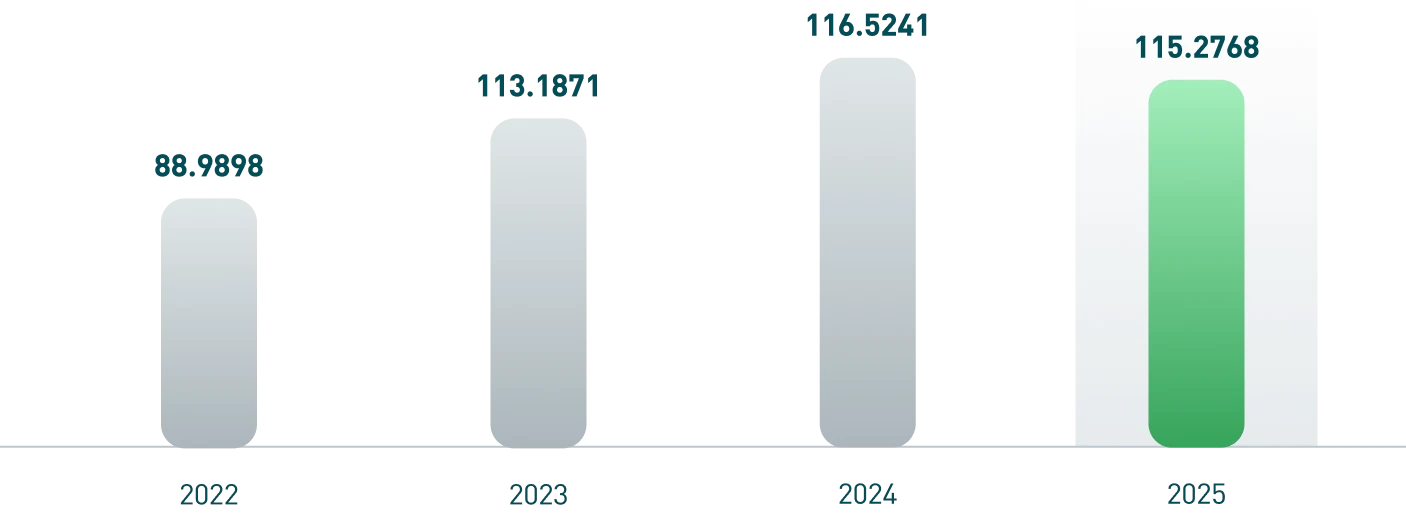
Electricity Consumption per Total Revenue
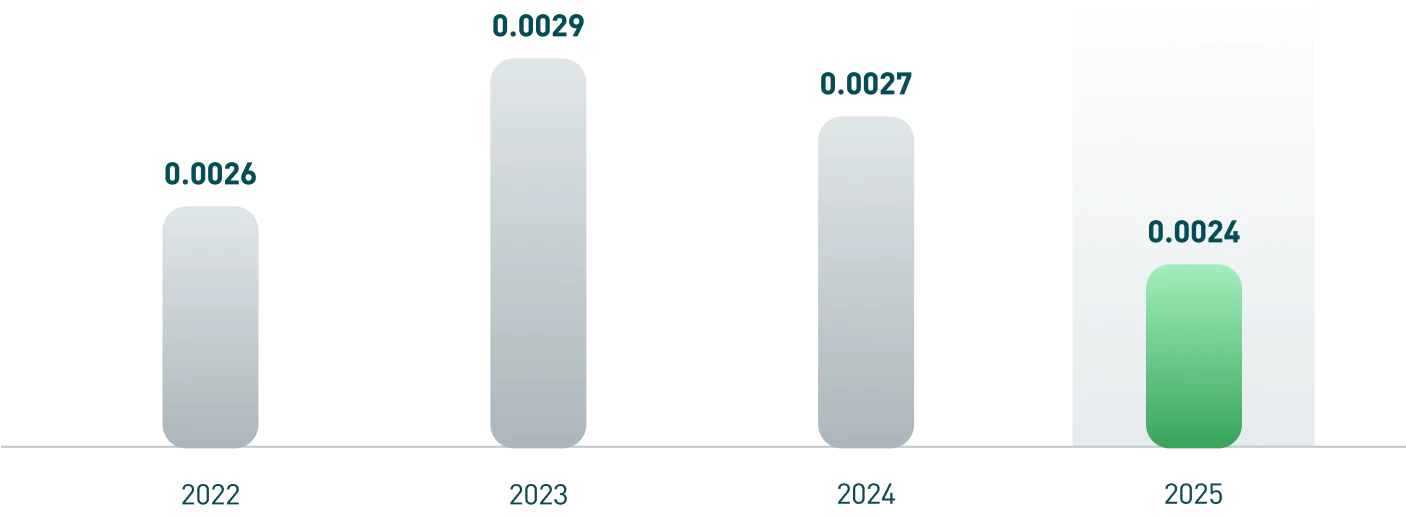

- Total energy consumption increased by 2.2%
- Energy consumption per adjusted patient day decreased by 1.1%
- Energy consumption per total revenue decreased by 10.2%

- Total energy consumption increased by 20.0%.
- Energy consumption per adjusted patient day increased by 29.5%, mainly due to business expansion and the full operation of Building C.
- Energy efficiency has continued to improve, as reflected by energy intensity per total revenue, which decreased by 6.7%.
- In 2025 alone decreased by 10.2%.
- The use of renewable energy increased by 4.5 times, reflecting the Company’s commitment to increasing the share of clean energy.
The Company promotes sustainable energy conservation, considering it a key responsibility for all departments to implement concrete actions. Operational plans and energy conservation measures have been established across the business value chain to enhance resource efficiency and maximize the value of energy use.

Energy Development and Management Approaches
Renewable Energy Utilization
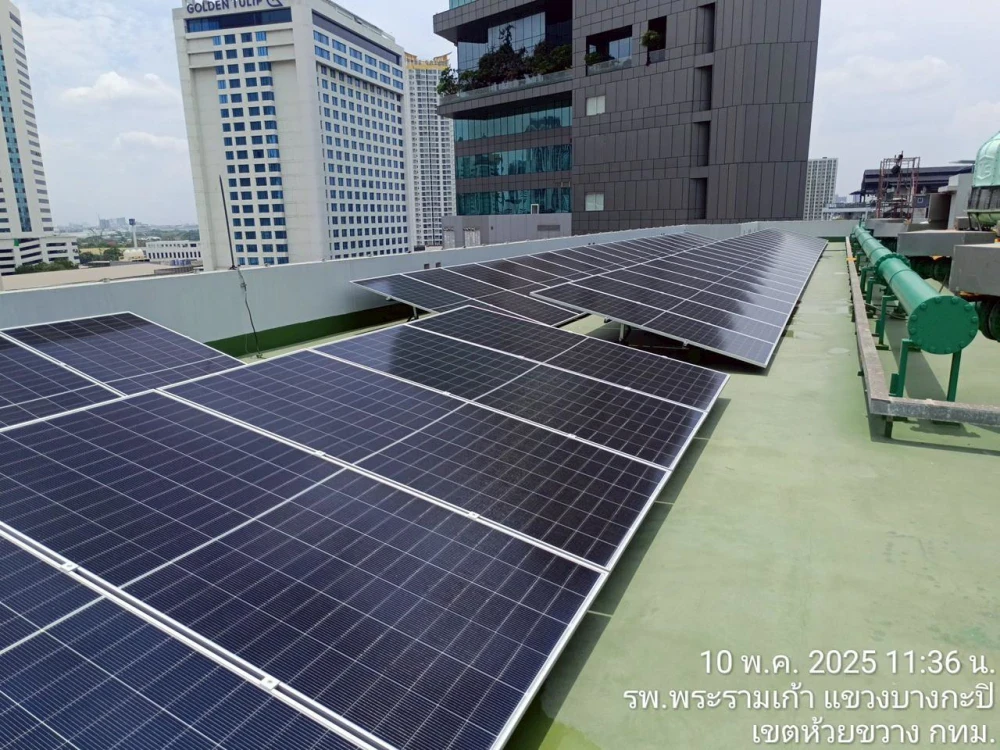
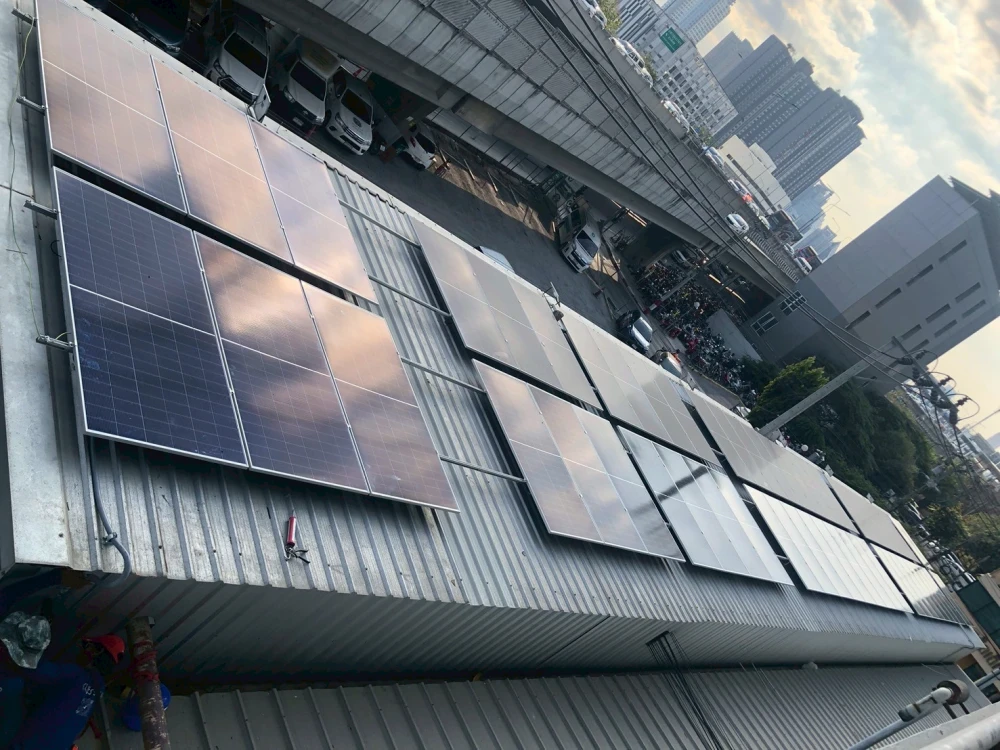
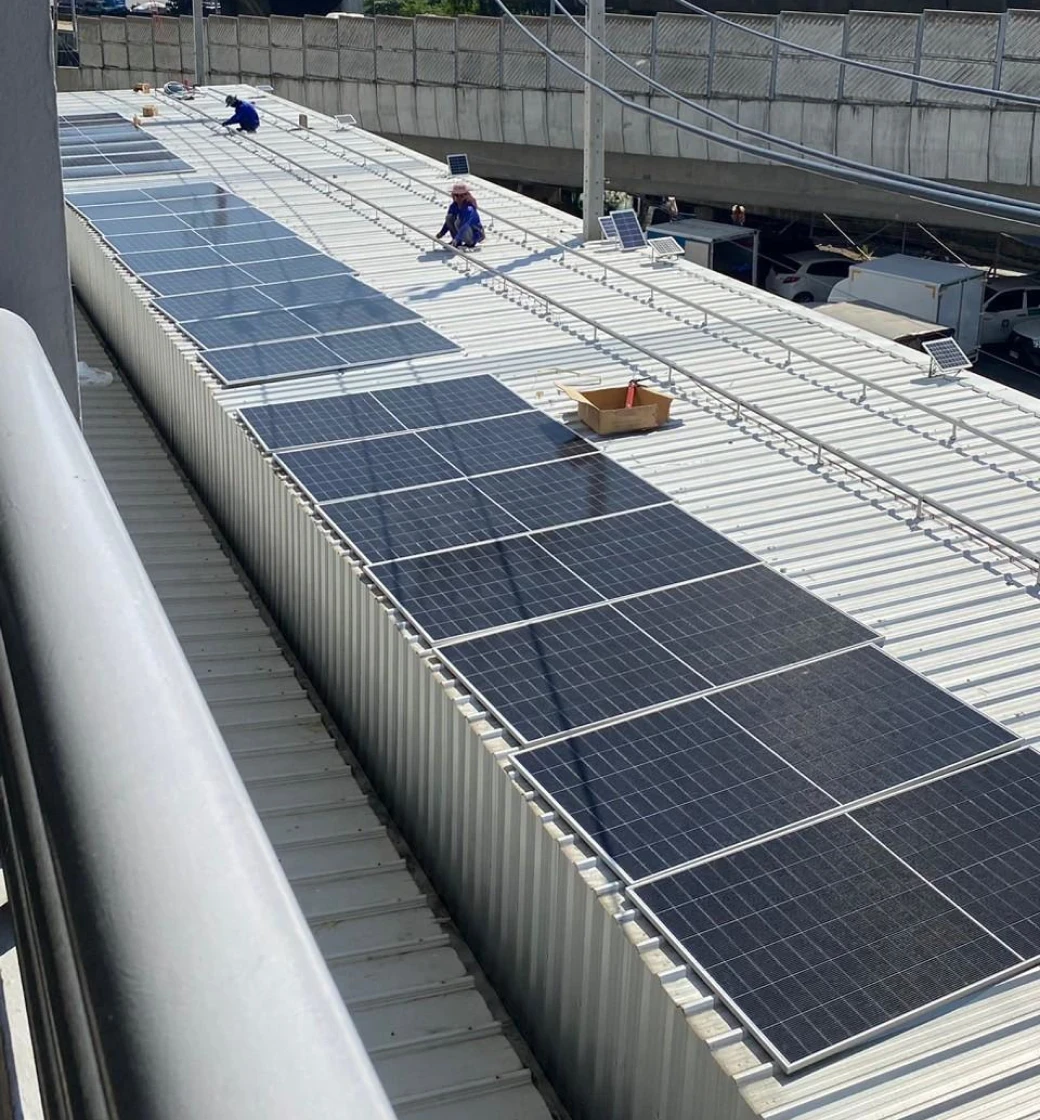
The Company has continuously installed solar power generation systems (Solar Cell), with installation capacity expanded each year to promote the use of clean energy and support environmental conservation. This initiative forms part of the Company's approach to promoting sustainable resource use and is aligned with the Company's pollution management policy, with the aim of reducing environmental impacts and strengthening long-term energy balance.
Installed Capacity of Solar Power Generation Systems (Solar Cell) within Hospital Buildings
| Solar Cell (Unit: Kilowatt) | Year 2022 | Year 2023 | Year 2024 | Year 2025 |
|---|---|---|---|---|
| Office Building (Office) | 0.80 | 9.00 | 34.80 | - |
| Building A Parking Area | - | - | 14.60 | - |
| Wastewater Treatment Pond | - | - | - | 20.74 |
| Building C | - | - | - | 80.00 |
Remark: The Symbol "-" in the table indicates that the system had not yet been operated in that particular year.
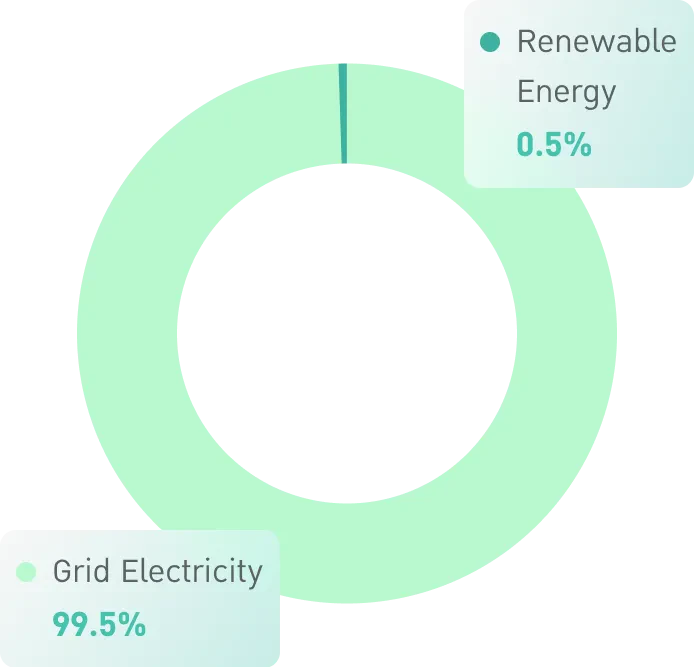
In 2025, the Company utilized a total of 64,416.76 kilowatt-hours (kWh) of renewable energy generated from solar power systems. This increased from 13,792.70 kilowatt-hours (kWh) in 2024, representing an increase of 367 percent, and accounted for 0.49 percent of the hospital's total electricity consumption. This reflects the Company's commitment to increasing the share of clean energy and reducing reliance on fossil fuel-based energy within the hospital. The Company has therefore set a target to further expand the installation of renewable energy systems in order to increase the share of clean energy to more than 1 percent of total electricity consumption within the healthcare facility by 2028.
This initiative is aligned with the Company's Facility Management and Safety (FMS) plan to systematically reduce greenhouse gas emissions and strengthen energy sustainability in accordance with JCI standards, particularly in environmental management within the constraints of installation space within the hospital. This approach forms part of the Company's sustainable business development goals toward becoming a Low-Carbon Healthcare Organization and systematically reducing environmental impacts.
Stakeholders Directly Impacted

Employees

Customers

Suppliers