

Community Engagement


Goals and Performance Highlights
Goals


Performance in 2025



Challenges and Opportunities
Thai society is entering a fully aged society, resulting in increased demand within communities for healthcare, disease prevention, and access to medical services.
Disparities in access to health knowledge and services among populations in certain areas remain a significant challenge, requiring collaborative and sustainable solutions from multiple sectors. At the same time, hospitals can leverage their medical expertise and healthcare professionals as key drivers in creating shared value with communities and fostering long-term relationships between the organization and society.
Management Approach and Value Creation

The Company has established proactive policies to enhance quality of life and health security, which are considered material issues for business operations and stakeholders. It focuses on conducting activities in line with the goals of social engagement to foster greater knowledge and understanding of self-care.
Community Engagement Strategy
The Company conducts a Community Needs Assessment before designing and implementing social initiatives each year to ensure that its programs effectively address the genuine needs of stakeholders. This process is carried out through three key mechanisms, as follows:
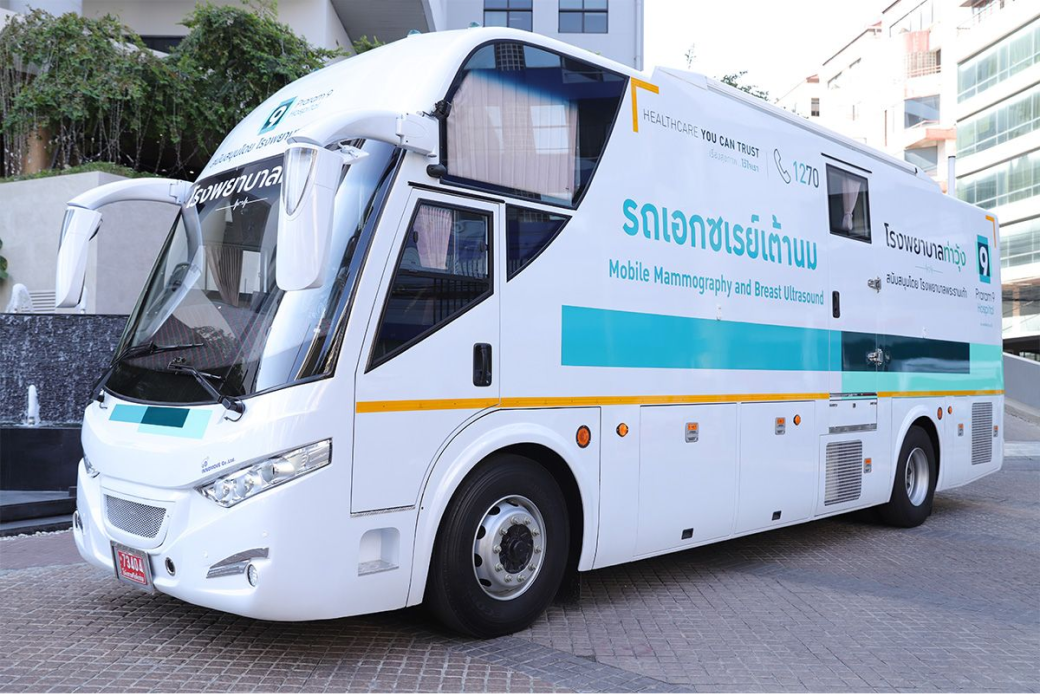
Health Accessibility
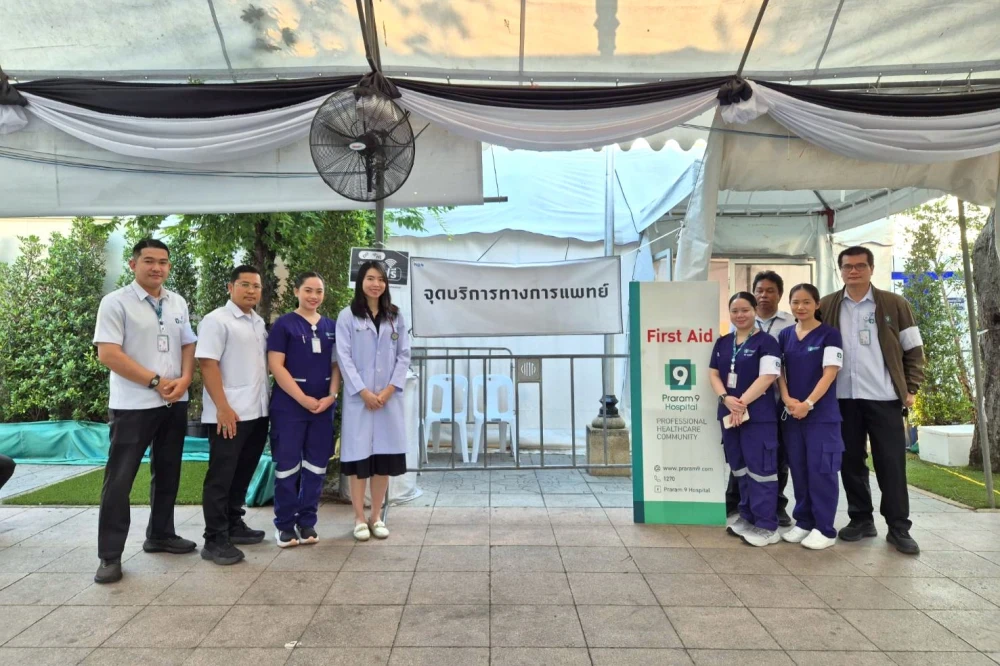
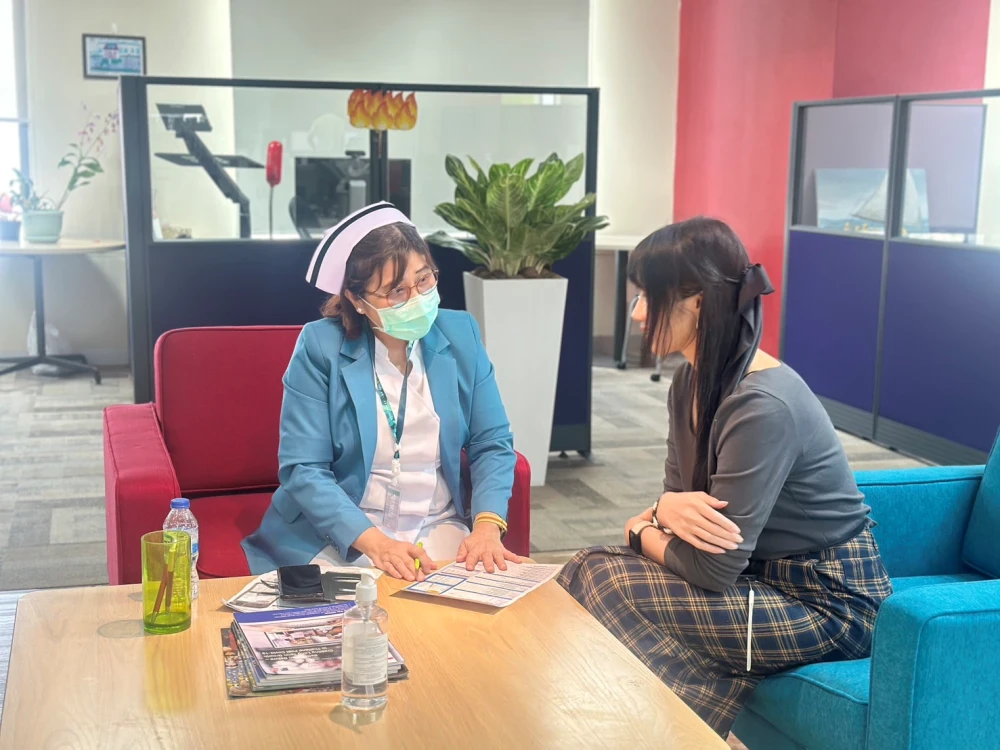
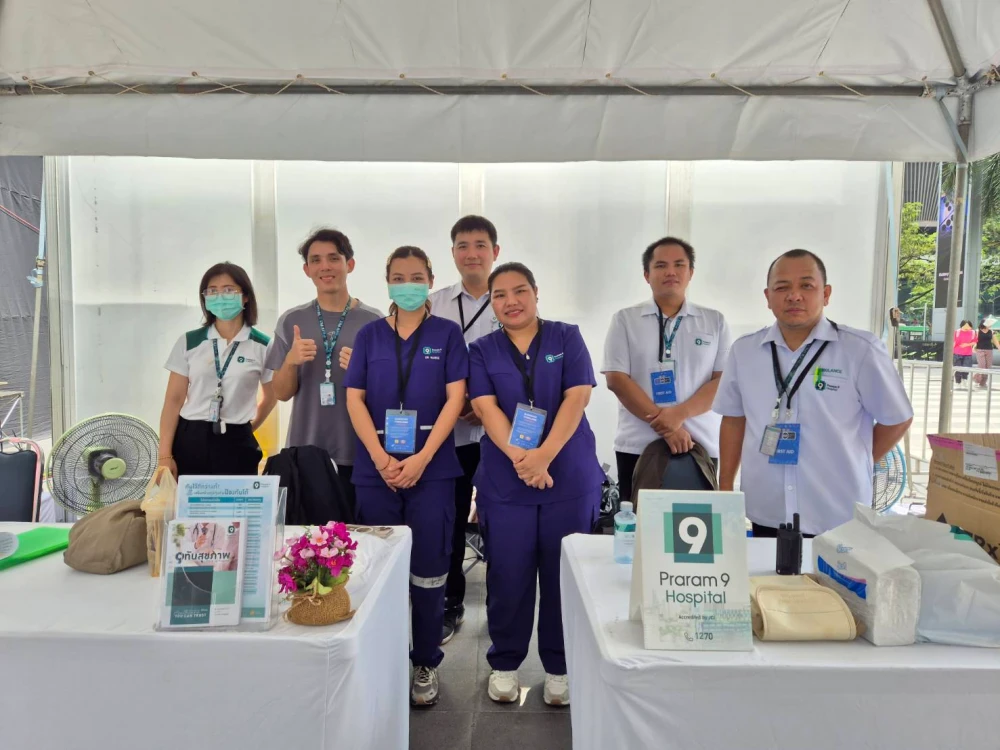
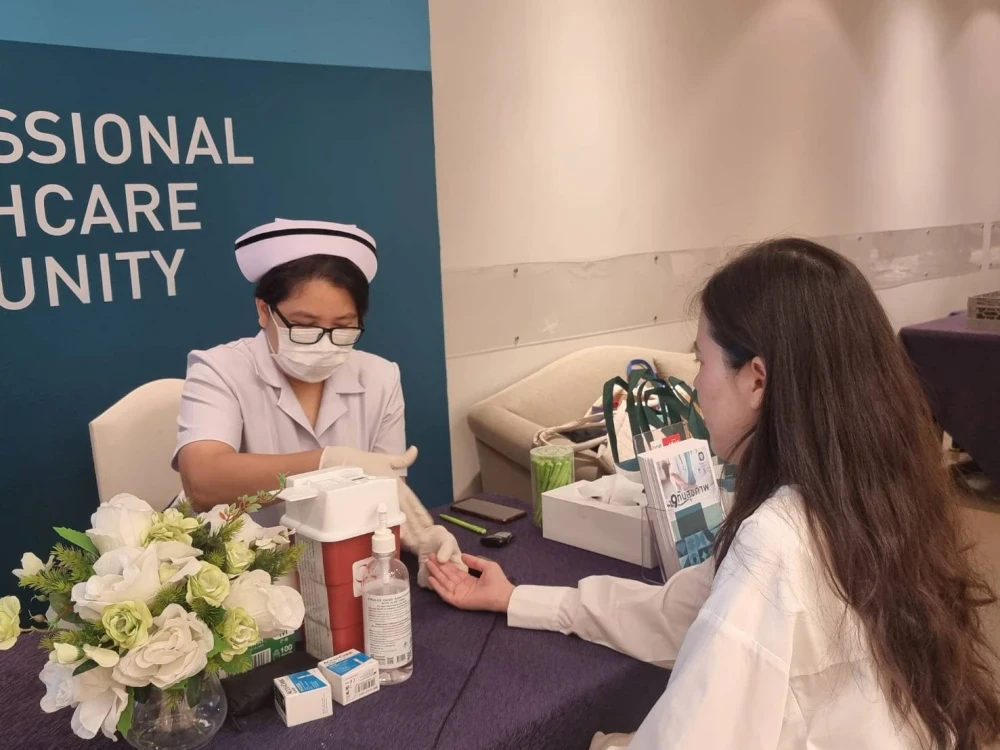
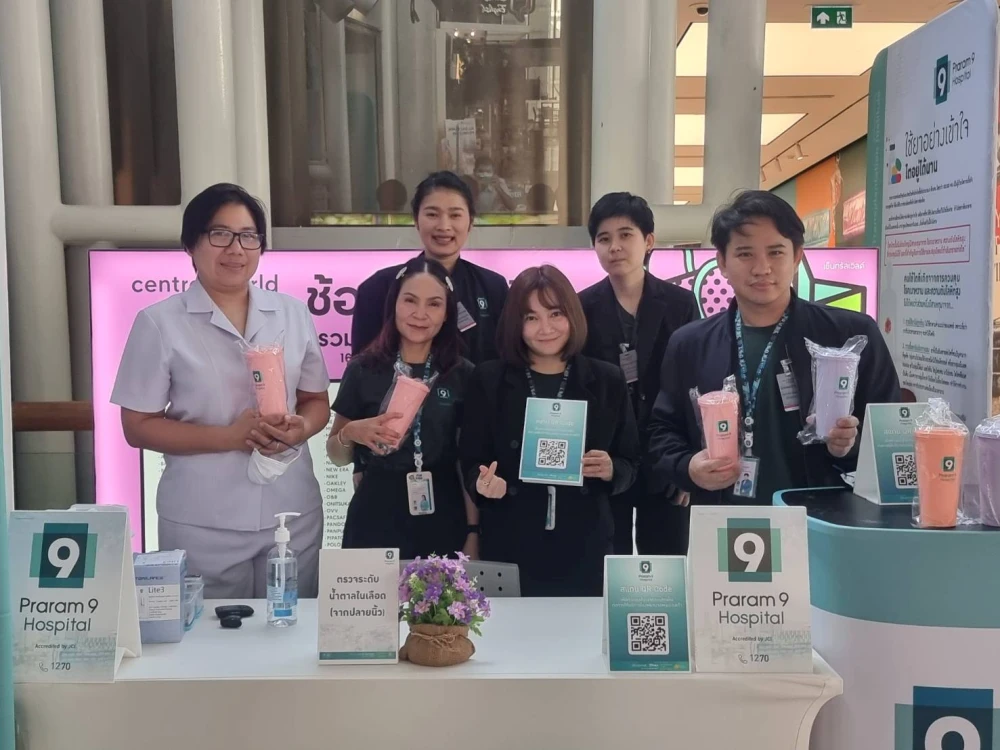
The Company implemented more than 29 off-site community health screening programs, aiming to reduce gaps in access to basic health assessments while providing appropriate preventive care guidance to help individuals better manage their health.
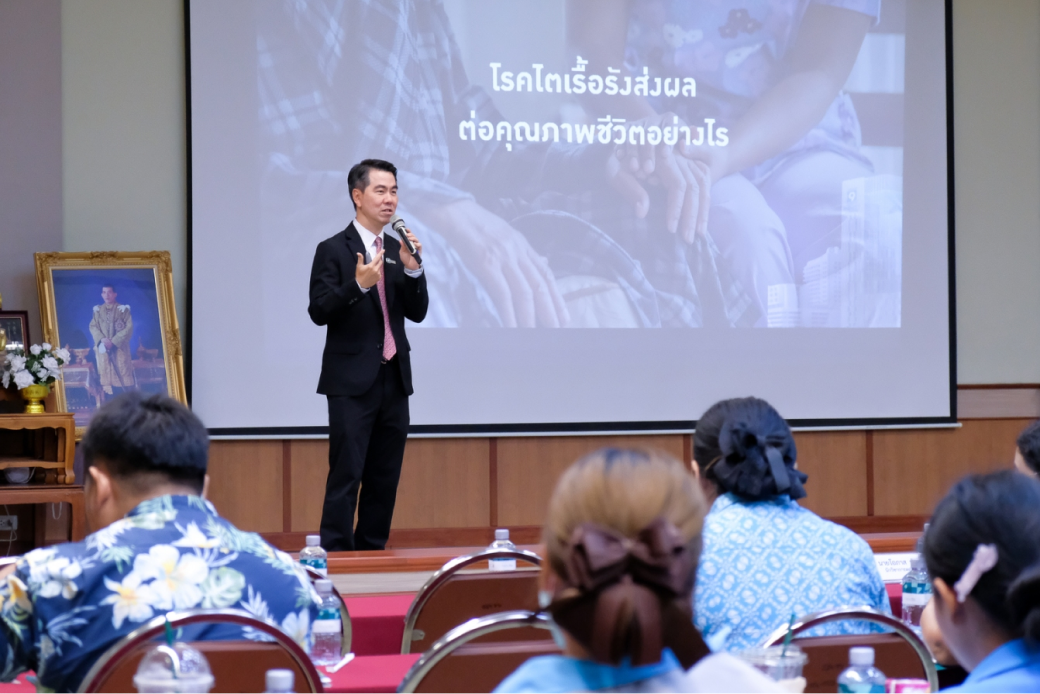
Health Literacy
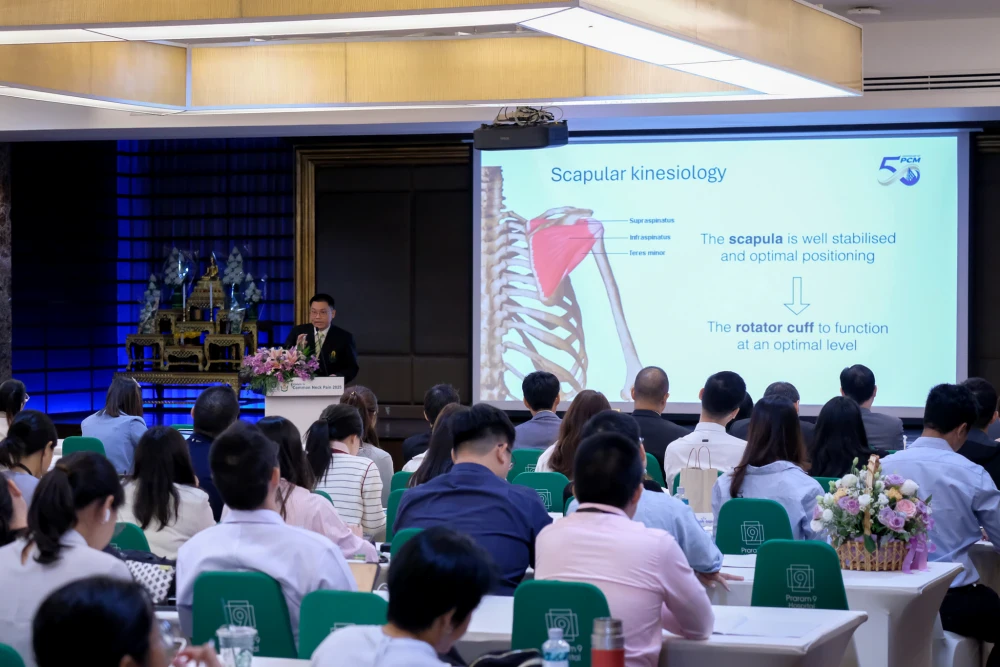
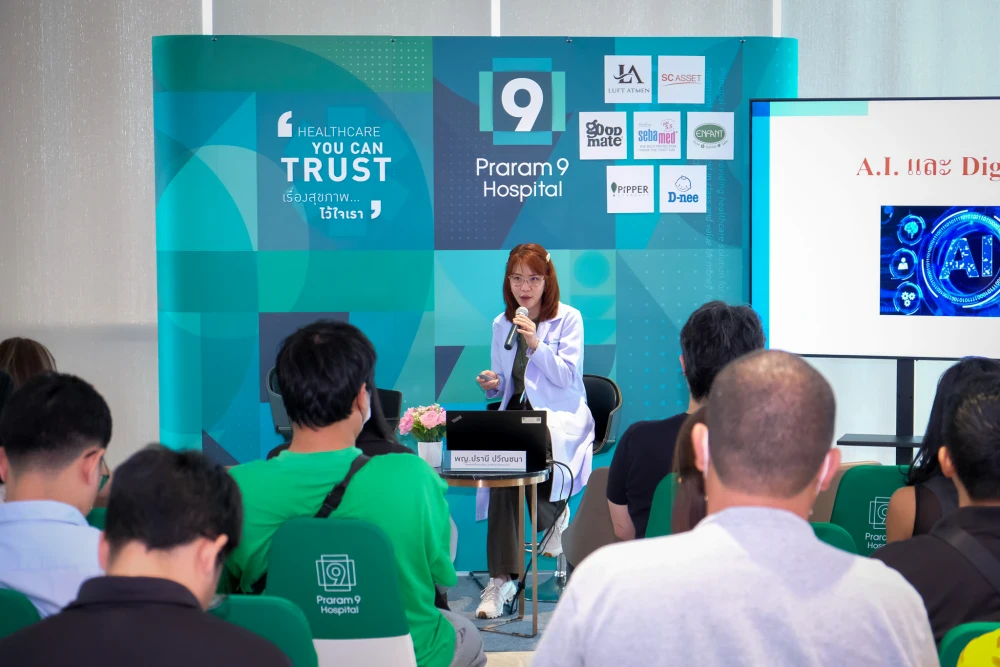
The Company organized 35 specialized health education programs delivered by physicians and healthcare professionals for communities, benefiting more than 3,049 participants. These initiatives were conducted through both onsite activities and digital platforms (online) to broaden public access to health knowledge.
Creating Shared Value through the Application of Medical Innovation and Technology
The Company integrates modern technology with its business partner networks to develop new healthcare delivery models that build trust among surrounding communities. These initiatives not only help reduce illness rates in society but also mitigate financial risks associated with potential shortages of healthcare personnel while strengthening the Company’s brand in the long term, in line with the principles of the IFRS Sustainability Disclosure Standards. Key outcomes include the following:

Health Security and Expansion of Partner Networks Promoting Health Literacy
Within communities not only helps reduce illness rates but also alleviates congestion from non-complex patient cases at hospitals. This enables the Company to optimize resource allocation (Resource Optimization) to better serve patients with complex medical conditions, which generally generate higher margins. In 2025, the Company reported a gross profit margin of 36.6%, an increase from 34.3 percent in 2024, reflecting improved operational efficiency.

Social License to Operate and Brand Equity Public
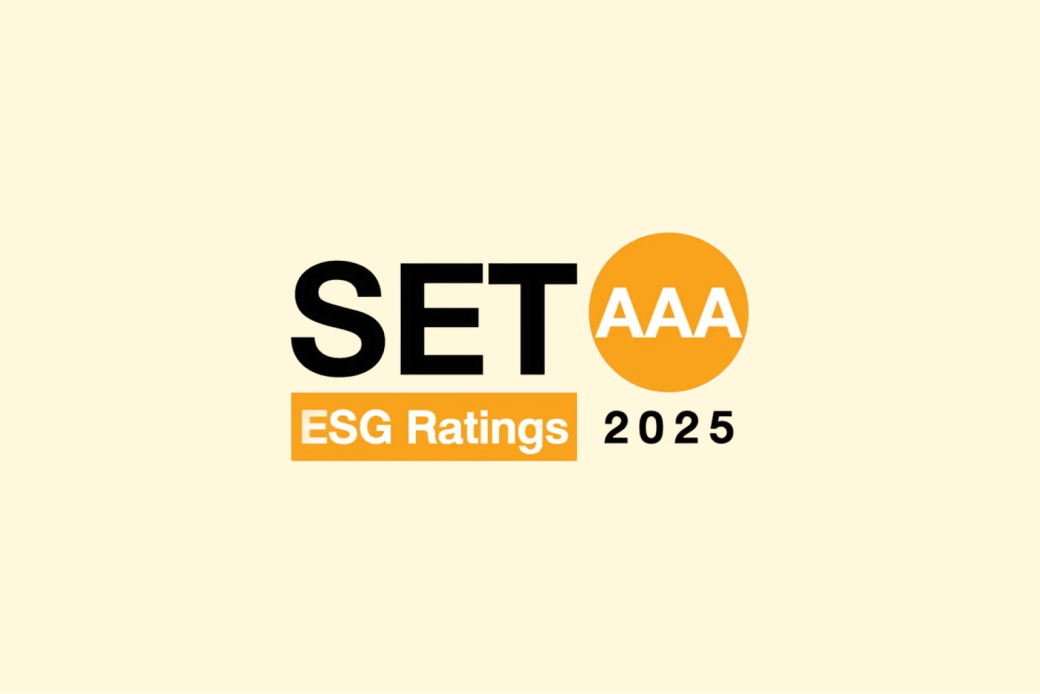
trust directly contributes to lowering the Customer Acquisition Cost (CAC), as trusted brands tend to benefit from higher rates of word-of-mouth referrals and repeat service usage. As a result of these efforts, the Company received the Thailand’s Most Admired Company 2025–2026 award from BrandAge magazine, recognized as the most trusted private hospital brand, with a total score of 7.23. In addition, the Company’s outstanding ESG performance earned it a SET ESG Ratings: AAA, further enhancing opportunities to access lower-cost financing, such as Sustainability-Linked Loans.
ESG Risk Management and Access
To Capital Sustainable business practices help reduce risks related to legal issues and reputational damage (Legal and Reputational Risks) while improving the Company’s credibility among investors who apply ESG integration in their investment decisions. The Company received an AAA rating in the SET ESG Ratings assessment in both 2024 and 2025, enabling inclusion in the government-supported Thai ESG Fund for tax-incentive investments. This also increases opportunities to access lower-cost financing sources, such as Sustainability Bonds and Sustainability-Linked Loans, which help reduce interest expenses.
Social Impact Assessment
The Company conducted a Social Impact Assessment with key stakeholders. Current and potential concerns and negative impacts were considered in selecting methods to measure social outcomes and Social Return on Investment (SROI). The results were used to develop the sustainability strategy, action plans, and indicators to reduce negative impacts arising from the Company’s operations and to contribute to improving the quality of life of people in society. In 2025, the Company implemented three Creating Shared Value (CSV) initiatives, as follows:
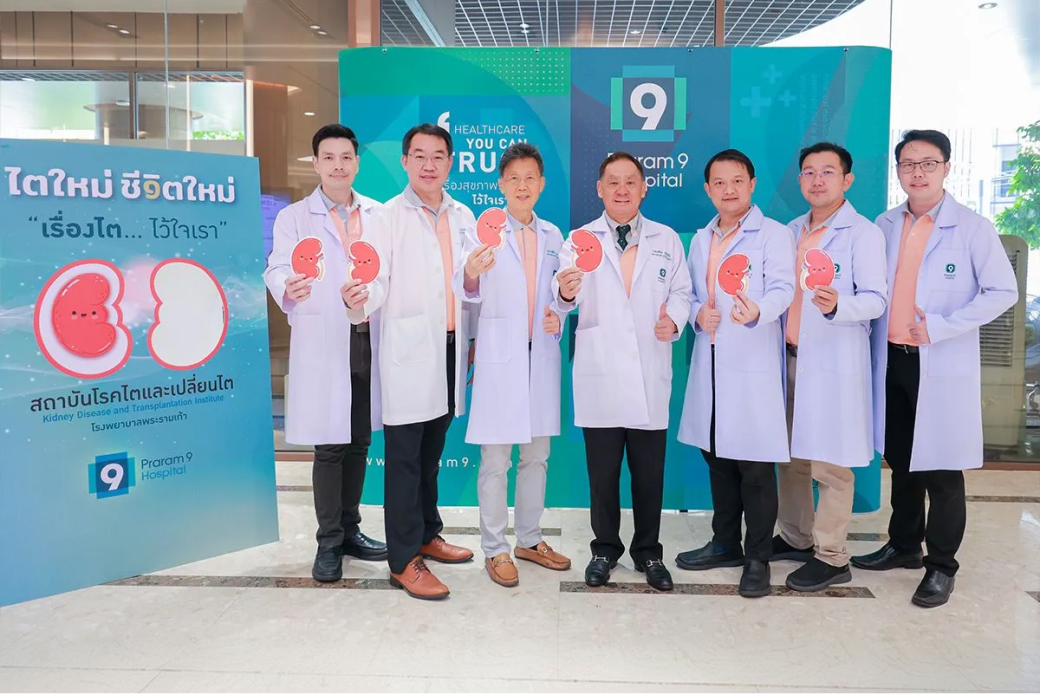
HAPPY KIDNEY: Healthy Kidneys, Happy Life ("New Kidney, New Life" Activity)
The Company is a leading healthcare provider focusing on holistic and sustainable healthcare and is the private hospital with the highest expertise in kidney transplantation in Thailand. The Kidney Disease and Transplant Institute of Praram 9 Hospital has performed more than 1,461 kidney transplant surgeries, with highly successful outcomes. Patients who undergo the surgery are able to return to near-normal lives and experience improved quality of life. Leveraging its expertise in kidney disease treatment, the hospital developed the “New Kidney, New Life” project under the Creating Shared Value (CSV) concept, connecting the hospital’s medical expertise with societal needs related to access to healthcare services by expanding treatment opportunities and access to services across different areas of Thailand. The project aims to create positive social impact through high-quality medical services that promote the health and quality of life of kidney patients by providing knowledge and understanding about kidney disease, kidney transplantation, and the care of kidney patients both before and after transplantation, including appropriate treatment approaches, to medical personnel and the general public, in collaboration with Kao Than Rok Foundation and partner hospitals within the network to expand access to medical services and help improve the quality of life of kidney patients.
Project Objectives
Business Objective
To expand the patient base in specialized disease groups, strengthen the hospital’s image as a leader in kidney disease treatment, and increase revenue from comprehensive medical services.
Social Objective
To decentralize specialized care by expanding access to advanced treatment in regional areas, allowing patients to receive services without traveling to Bangkok, and to reduce inequality in healthcare access for people in provincial areas. The project also aims to provide preventive knowledge and appropriate treatment guidance to the public and medical personnel in the regions, enable access to consultations with national-level specialists at no cost, and reduce complications among patients with chronic kidney disease.
Strategies and Implementation Plan

Development of Accessible Medical Services Expanding
community-based kidney disease screening programs to increase early detection and promote access to appropriate treatment services.

Strengthening Medical Collaboration Networks Working
with partner hospital networks to exchange medical knowledge, support patient care, and enhance the quality of kidney disease treatment services.
Operations
In 2025, the hospital organized two seminars for medical personnel on kidney disease in the Southern region of Thailand, as follows:

Nakhon Si Thammarat Province (March 16, 2025)
including members of the public, medical personnel, and insurance companies. Eight participants expressed interest in receiving consultation for kidney transplantation.
Surat Thani Province (May 23, 2025): Organized in collaboration with Thaksin Hospital, with
Four participants received consultations, and one patient was successfully referred into the kidney transplant preparation process.
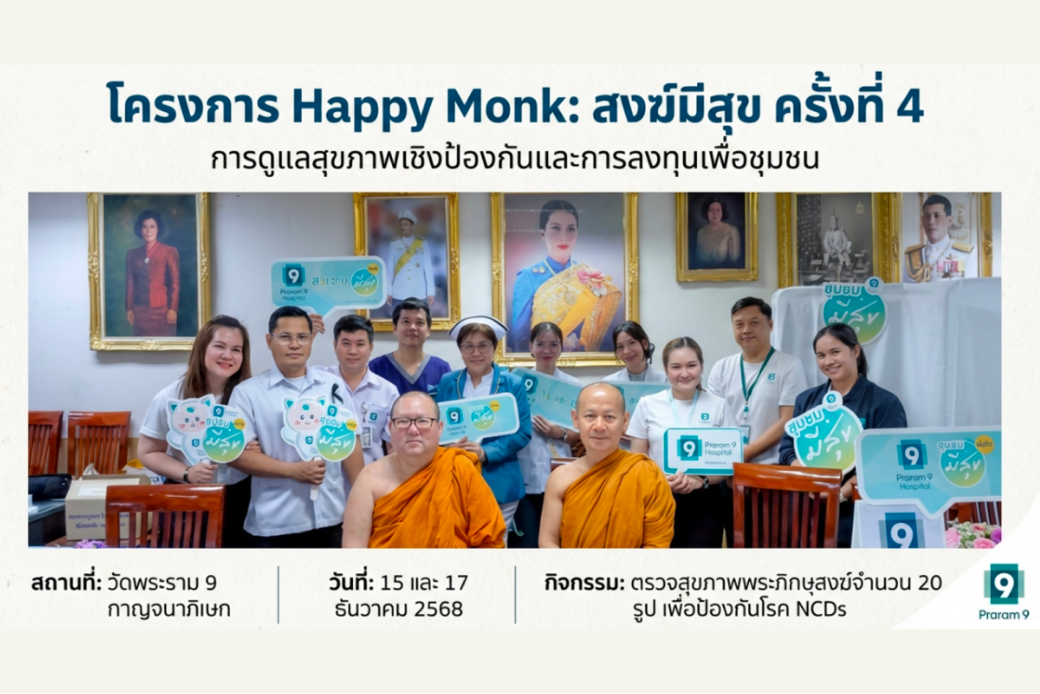
HAPPY MONK: Sangha Has Happiness
The “HAPPY MONK: Healthy Monks” Project is a Creating Shared Value (CSV) initiative of the Company aimed at promoting the health of monks in the community, particularly in the prevention and management of Non-Communicable Diseases (NCDs). These diseases are not caused by infections and cannot be transmitted from person to person, such as obesity, diabetes, hyperlipidemia, hypertension, heart disease, and chronic kidney disease. These conditions are often associated with lifestyle behaviors and inappropriate dietary habits.
According to health survey data among monks, a significant number suffer from NCDs, with the most common conditions being diabetes, hypertension, hyperlipidemia, and ischemic heart disease. This situation is partly due to dietary limitations, as monks cannot choose their own meals and depend on alms offerings, which are often high in sugar, fat, or salt, including beverages with high sugar content. In addition, monks may have limited opportunities for physical exercise.
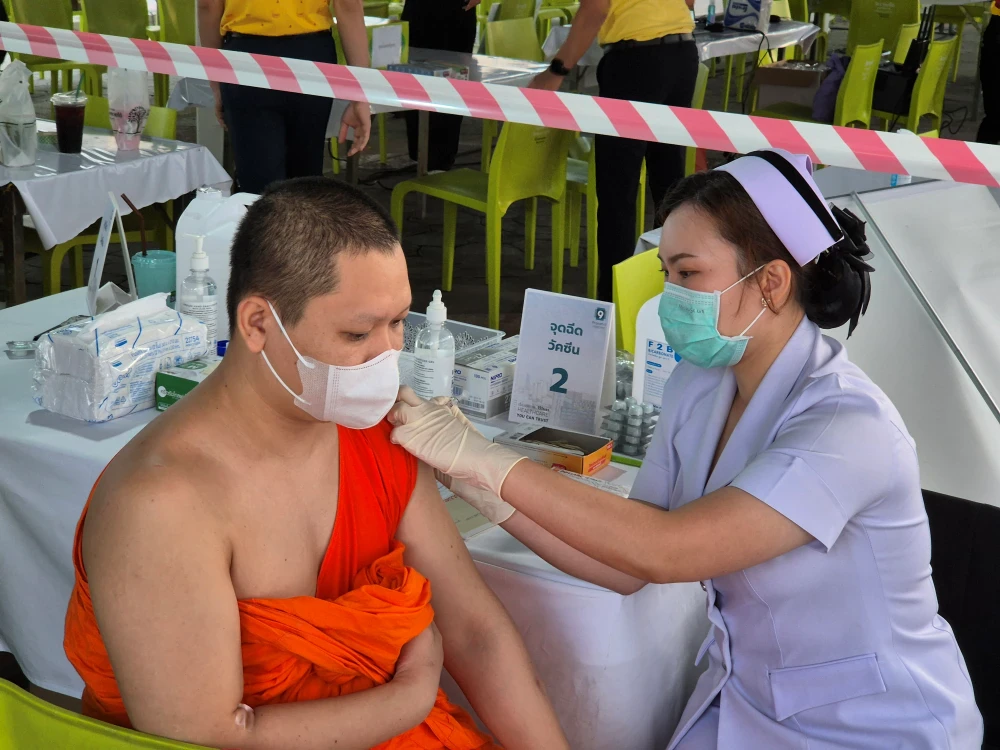
For this reason, the Company organized activities under the “HAPPY MONK: Healthy Monks” Project to provide free health check-ups for monks in the community at Wat Phra Ram 9 Kanchanaphisek. The services were delivered by a team of specialist physicians, nurses, nutritionists, and related healthcare personnel, offering medical examinations at no cost, along with nutrition and health education to encourage monks to take appropriate care of their health and reduce the long-term risk of developing NCDs.
Project Objectives
Operations

Health Check-ups for Monks

Nutrition and NCD Prevention Education

Offering Meals and Basic Medicines

Community Relationship Activities
Stakeholders Directly Impacted

Employees

Customers